
Mind Games: The Hidden Barriers to Business Growth

Cognitive biases and mental shortcuts can quietly distort business decisions, marketing judgment, and growth strategy.
Cognitive biases and mental shortcuts
Imagine walking through the desert with a broken compass. You feel like you are moving in the right direction, but in reality you may be walking in circles. That is what cognitive biases can do to business decisions.

Why clear strategies still need clear thinking
A clear strategy such as Being Obvious helps people understand your value quickly. But biases can convince you that you are applying the strategy when you are not. That is why decision quality matters as much as the idea itself.
What are heuristics?
Heuristics are mental shortcuts. They help the brain make fast decisions without analyzing every detail from zero. They are useful, but they can also create mistakes when the shortcut is applied in the wrong situation.
What are cognitive biases?
Cognitive biases are systematic thinking errors. They can make recent information feel more important than it is, make the first number in a negotiation feel like the true anchor, or make one loud complaint feel like a trend.

Availability bias in business
A business owner may hear one customer complaint and assume the problem is widespread. But if the actual data shows that complaints are rare, acting only on the recent example can lead to the wrong decision.
Anchoring in negotiation
Anchoring happens when the first number or first piece of information shapes everything that comes after it. In pricing, hiring, sales, and negotiation, this can quietly distort what feels reasonable.

A deeper discussion of heuristics, cognitive biases, and business decisions.
 Marketing strategiesBeing Obvious: The Two-Word Strategy Behind Stronger Marketing
A product, service, or piece of content does not win because it has value somewhere inside it. It wins when people can understand that value quickly.
 Content writingChatGPT Myths in Marketing and Business: What You Should Know
ChatGPT is useful, but it is not a magic replacement for strategy, judgment, research, or human review.
 Content writingHow to Write Better Content with ChatGPT
ChatGPT can help you write faster, but it performs much better when you give it context, criteria, audience details, and a clear writing formula.
 Content writingHow to Write Content: A Formula and a Practical Exercise
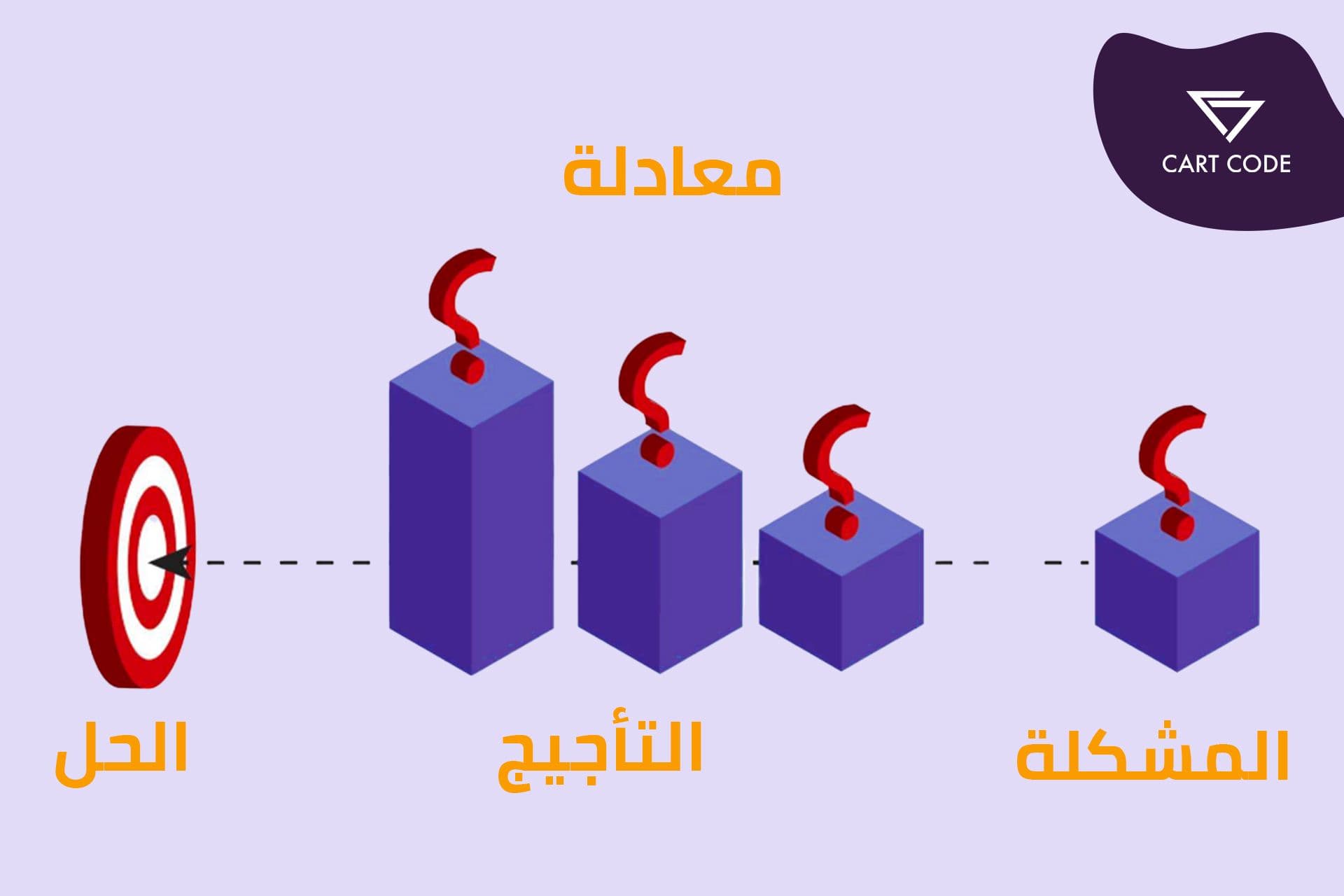
The P.A.S formula helps you move the audience from attention to urgency to action: Problem, Agitate, Solution.